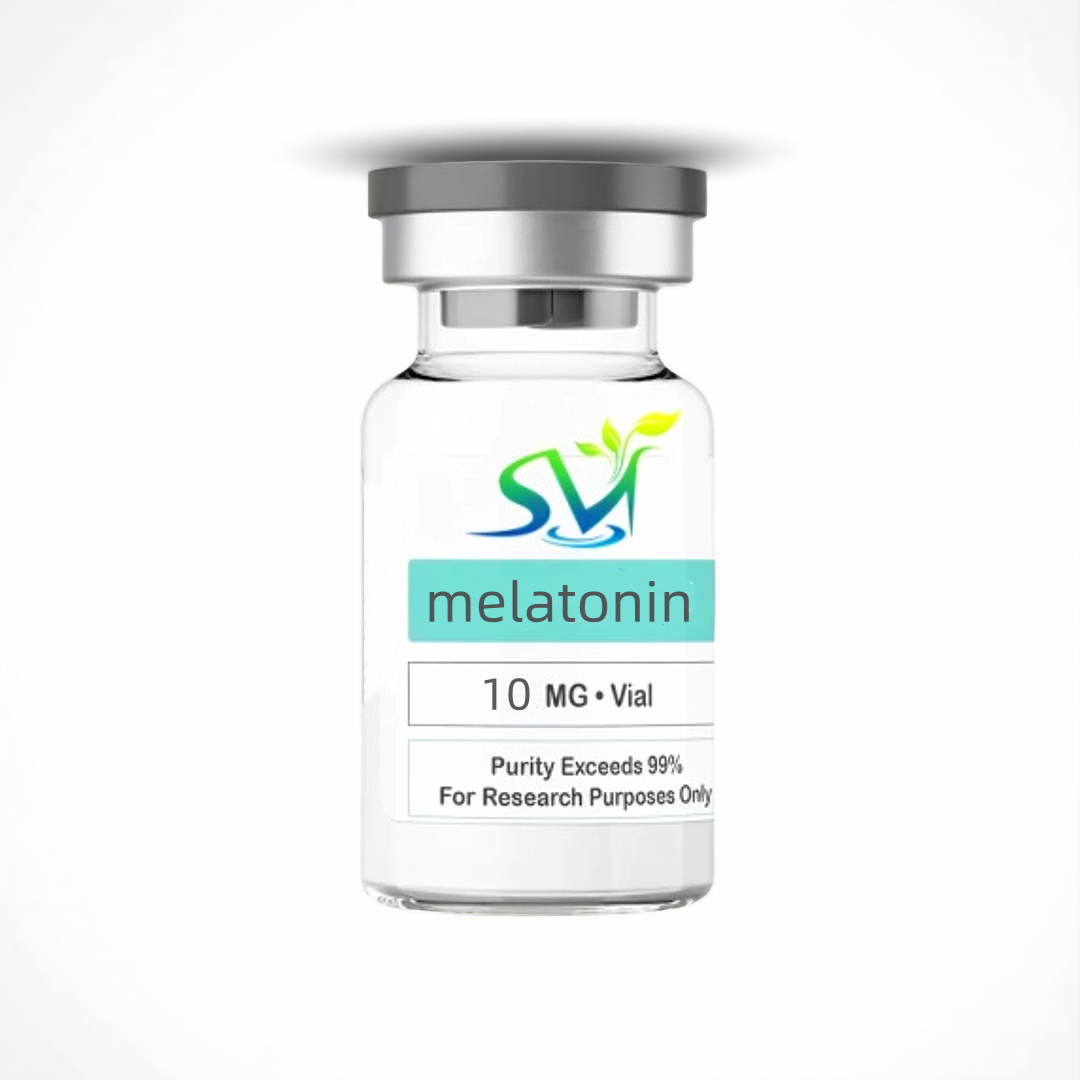
What is Melatonin?
Melatonin is a natural hormone produced primarily by the pineal gland in your brain. Often called the “sleep hormone,” its primary role is to regulate your body’s 24-hour sleep-wake cycle, also known as your circadian rhythm.
As darkness falls each evening, your melatonin levels naturally rise, signaling to your body that it’s time to wind down and prepare for sleep. Conversely, exposure to light (especially blue light from screens) suppresses its production, helping you feel awake and alert during the day.
While famous for promoting restful sleep and managing conditions like jet lag and insomnia, melatonin’s benefits extend far beyond slumber. It also acts as a powerful antioxidant, supporting immune function, protecting brain and eye health, and reducing inflammation throughout the body.
Because of its crucial role in sleep and overall wellness, melatonin is also widely available as an accessible and popular over-the-counter dietary supplement to help reset the body’s internal clock and support general health.
Unlock Better Health: 7 Powerful Benefits of Melatonin You Should Know
Melatonin is often called the “sleep hormone,” but its benefits extend far beyond improving your slumber. This essential hormone, produced by the pineal gland, is a master regulator of your sleep-wake cycle and a potent antioxidant. Here are the top science-backed benefits of melatonin.
1. Regulates Sleep-Wake Cycle (Circadian Rhythm)
-
Primary Benefit: Melatonin is the body’s natural signal for darkness, telling your brain it’s time to wind down and prepare for sleep.
-
Key Use: It is highly effective for managing insomnia, jet lag, and shift work sleep disorder. Supplementing with melatonin can help you fall asleep faster and reset your internal body clock.
2. Powerful Antioxidant and Anti-Inflammatory Effects
-
Primary Benefit: Melatonin is a potent antioxidant that neutralizes harmful free radicals throughout the body.
-
Key Use: It helps combat oxidative stress, which is linked to chronic diseases, aging, and neurological conditions. Its anti-inflammatory properties can support overall cellular health.
3. Supports Immune System Function
-
Primary Benefit: Melatonin helps modulate the immune system, enhancing its ability to fight off pathogens.
-
Key Use: Adequate melatonin levels are linked to a more robust immune response, potentially helping you recover faster from illness and improving your body’s defense mechanisms.
4. May Improve Eye Health
-
Primary Benefit: The retina has a high concentration of melatonin receptors.
-
Key Use: Melatonin’s antioxidant properties help protect against age-related macular degeneration (AMD) and other retinal diseases by reducing oxidative damage in the eyes.
5. Potential Support for Brain Health
-
Primary Benefit: Melatonin’s neuroprotective properties help safeguard brain cells.
-
Key Use: Research suggests it may play a role in managing Alzheimer’s disease and other neurodegenerative disorders by reducing amyloid-beta plaque accumulation and combating neural inflammation.
6. Can Aid in Managing Seasonal Affective Disorder (SAD)
-
Primary Benefit: As a regulator of circadian rhythms, melatonin can help correct the biological disturbances caused by shorter daylight hours in winter.
-
Key Use: Using melatonin supplements may help alleviate the symptoms of winter blues or Seasonal Affective Disorder by stabilizing sleep patterns and mood.
7. Supports Gastrointestinal Health
-
Primary Benefit: The gut contains a significant amount of melatonin.
-
Key Use: It helps protect the gut lining, reduce acid secretion, and combat issues like acid reflux (GERD) and irritable bowel syndrome (IBS).