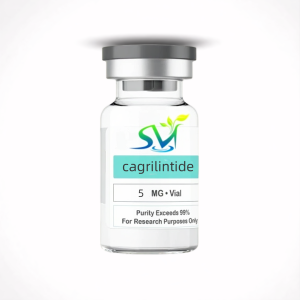
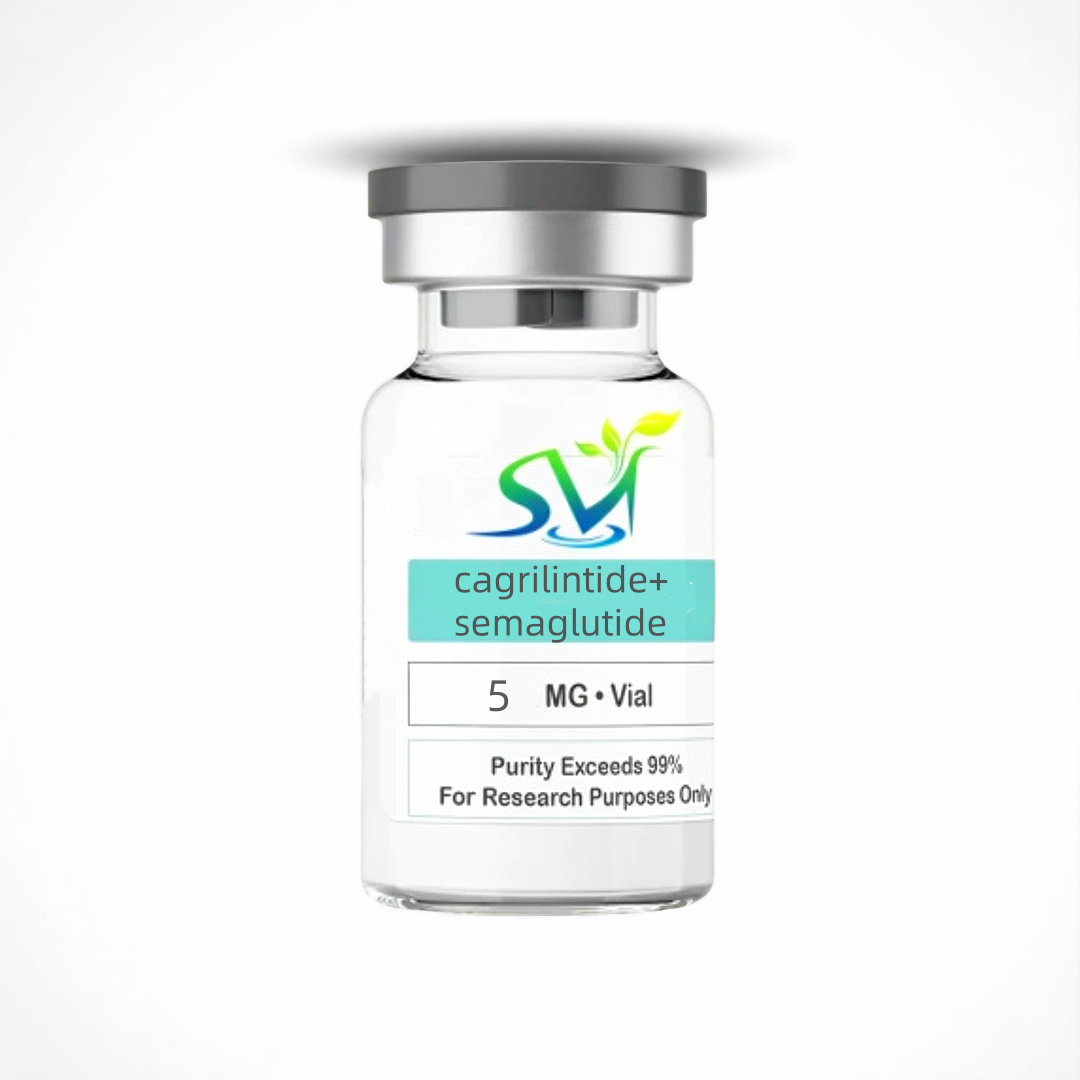
Cagrilintide 2.5 mg + Semaglutide 2.5 mg.
This is a fixed-dose combination product being developed by Novo Nordisk. It is currently known under the code name AM833 and is part of a class of investigational therapies for weight management. It is not yet approved for use by any regulatory agency (like the FDA or EMA) and is still in clinical trials.
This combination brings together two distinct mechanisms of action to create a powerful synergistic effect on weight loss.
1. The Components Explained of cagrilintide 2.5mg
Cagrilintide (AM833)
-
What it is: A long-acting synthetic analog of Amylin. Amylin is a hormone that is co-secreted with insulin by the beta-cells of the pancreas in response to a meal.
-
Primary Mechanism: It mimics the action of the natural hormone amylin. Its key effects are:
-
Reduces Appetite: Acts on appetite centers in the brain (like the area postrema) to promote satiety (feeling full).
-
Slows Gastric Emptying: Delays the rate at which food leaves the stomach, leading to a prolonged feeling of fullness after eating.
-
Suppresses Glucagon Secretion: Inhibits the release of glucagon, a hormone that raises blood sugar, which helps to reduce post-meal blood sugar spikes.
-
In simple terms, Cagrilintide is designed to make you feel fuller for longer and reduce your overall food intake.
Semaglutide
-
What it is: A well-known GLP-1 (Glucagon-Like Peptide-1) receptor agonist. It is the active ingredient in Ozempic®/Wegovy® (for diabetes and weight loss) and Rybelsus® (oral for diabetes).
-
Primary Mechanism: It mimics the action of the natural incretin hormone GLP-1. Its key effects are:
-
Stimulates Insulin Secretion: Promotes insulin release in a glucose-dependent manner (lowers risk of hypoglycemia).
-
Suppresses Appetite: Acts directly on the brain’s hypothalamus to reduce hunger and cravings.
-
Slows Gastric Emptying: Similar to Cagrilintide, it delays stomach emptying, enhancing satiety.
-
2. The Synergistic “Dual-Agonist” Effect
The power of this combination lies in the synergy between the two hormones, which are naturally released together in the body.
-
Two Different Pathways to the Brain: While both reduce appetite, they do so by acting on different receptors and slightly different areas in the brain. Attacking the problem of hunger through two separate pathways is significantly more effective than using one agent alone.
-
Complementary Gastrointestinal Effects: Both slow gastric emptying, creating a powerful combined effect that profoundly increases meal-time satiety and reduces food intake.
-
Mimicking a Natural Pair: Since amylin and GLP-1 are both released in response to food, using their analogs together creates a more physiologically comprehensive signal to the body that it is full and should stop eating.
3. Efficacy (Based on Clinical Trial Data)
Early and mid-stage clinical trials have shown remarkable results that surpass what has been seen with Semaglutide (Wegovy) alone.
-
Phase 2 Trial Results: A 32-week study compared Cagrilintide+Semaglutide against Semaglutide alone and placebo.
-
The combination therapy (specifically at higher doses) led to weight loss of over 17% on average.
-
This was significantly greater than the weight loss achieved with Semaglutide alone.
-
-
Comparison to Current Standards:
-
Semaglutide (Wegovy) alone: Leads to ~15% weight loss over 68 weeks.
-
Tirzepatide (Mounjaro/Zepbound): Leads to ~20-25% weight loss over 72 weeks.
-
Cagrilintide+Semaglutide: The early data suggests its efficacy is competitive with, and potentially could exceed, the current leading agents, positioning it as a potential best-in-class treatment.
-
4. Potential Benefits
If approved, the potential benefits would be:
-
Substantial Weight Loss: Likely to be one of the most effective pharmacological treatments for obesity.
-
Improved Cardiometabolic Health: Expected to lead to improvements in blood sugar, blood pressure, and cholesterol levels, similar to other effective weight loss medications.
-
Convenience: A single, once-weekly injection combining two powerful agents.
5. Side Effects and Risks
The side effect profile is similar to other GLP-1-based therapies and amylin analogs, primarily gastrointestinal in nature. These are often dose-dependent and tend to subside over time.
-
Very Common:
-
Nausea
-
Vomiting
-
Diarrhea
-
Constipation
-
-
Common:
-
Dyspepsia (indigestion)
-
Abdominal pain
-
-
Theoretical Risks: As with any long-acting metabolic therapy, the risks of pancreatitis, gallbladder disease, and medullary thyroid carcinoma (a specific warning for GLP-1s based on rodent studies, though its relevance in humans is unknown) will be closely monitored in ongoing trials.
The combination may lead to a higher incidence of GI side effects compared to either component alone, due to the amplified effect on gastric emptying.
Crucial Summary and Disclaimer
Cagrilintide 2.5 mg + Semaglutide 2.5 mg represents the cutting edge of obesity pharmacotherapy. It is a powerful, synergistic, dual-hormone approach that has demonstrated superior weight loss compared to Semaglutide alone in clinical trials.
However, it is critical to understand:
-
This is an investigational drug. It is NOT currently available for public prescription or use.
-
Its safety and efficacy are still being evaluated in large-scale Phase 3 clinical trials (one of which is named “REDEFINE”).
-
You should only ever obtain and use such a medication under the strict supervision of a qualified healthcare professional as part of a legitimate treatment plan, once and if it receives regulatory approval.
-
The use of non-approved, compounded, or research-grade versions of this combination carries significant and unknown health risks.
This combination is a glimpse into the future of metabolic medicine, but it is not yet a current treatment option.