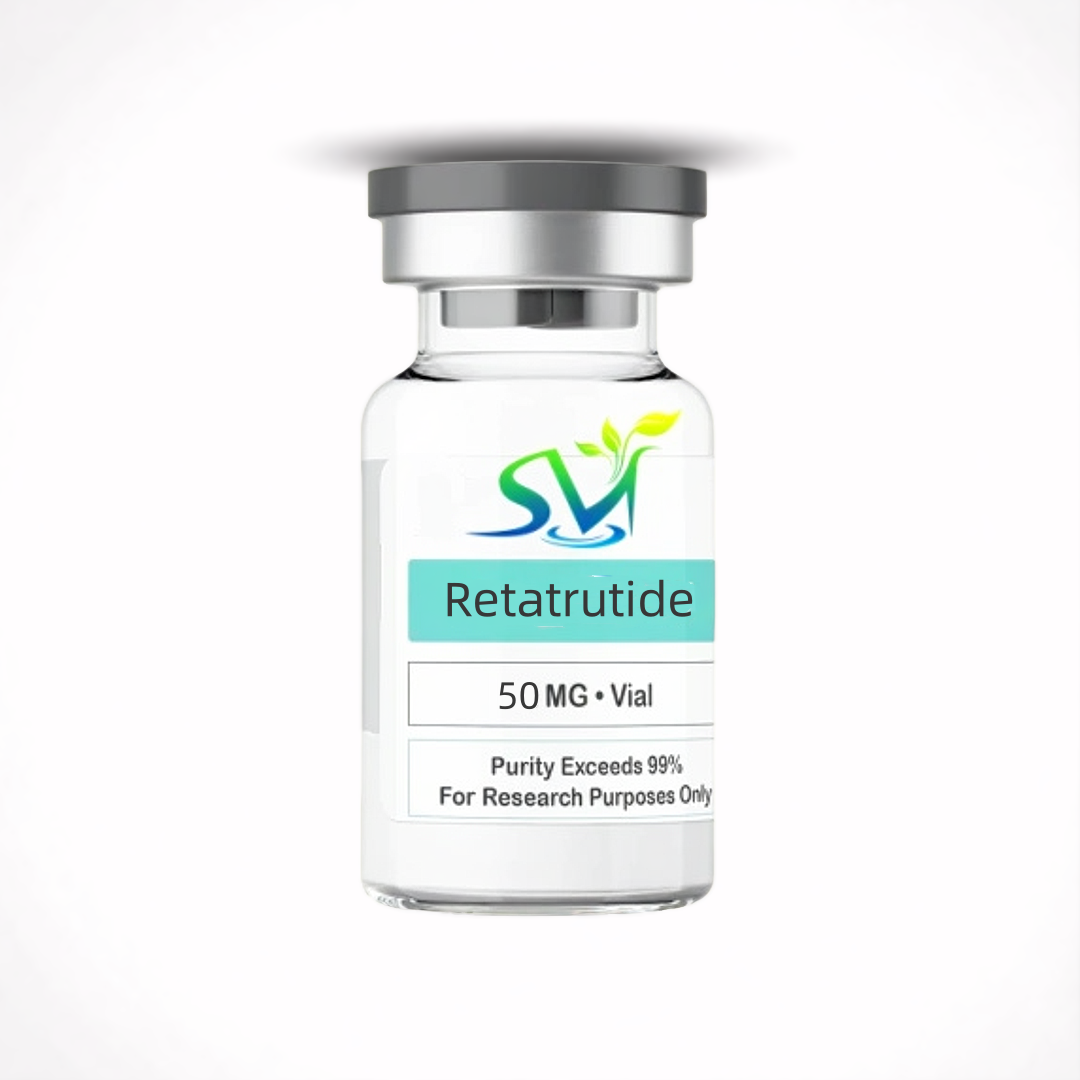
Retatrutide
Retatrutide is a novel, investigational peptide-based medication being developed by Eli Lilly and Company. It is currently in Phase 3 clinical trials and is not yet approved for public use by any regulatory agency like the FDA or EMA.
Its potential lies in its unique mechanism of action, which targets multiple pathways involved in appetite regulation and blood sugar control.
Mechanism of Action: The “Triple Agonist”
Retatrutide’s key differentiator is that it is a triple agonist. This means it simultaneously activates three different receptors in the body:
-
GIP Receptor (Glucose-dependent Insulinotropic Polypeptide): Enhances insulin secretion in a glucose-dependent manner (meaning it works more when blood sugar is high) and may have direct effects on fat tissue.
-
GLP-1 Receptor (Glucagon-like Peptide-1):
-
Slows down stomach emptying, making you feel full longer.
-
Stimulates insulin release and suppresses glucagon release, lowering blood sugar.
-
Acts on the brain to reduce appetite and food intake.
-
-
Glucagon Receptor: This is the most distinctive feature. Glucagon typically raises blood sugar by telling the liver to release glucose. However, when activated in a balanced way with GIP and GLP-1, it is believed to significantly increase energy expenditure (calorie burning) and reduce fat storage.
By combining these three actions, Retatrutide aims to provide powerful effects on weight loss, blood sugar control, and cardiovascular/metabolic health.
Clinical Trial Results (So Far)
The results from the Phase 2 trial, published in 2023, were considered groundbreaking and generated significant excitement.
For Weight Loss (in people with obesity but without diabetes):
-
After 48 weeks, participants receiving the highest dose (12 mg) of Retatrutide experienced an average weight loss of 24.2%.
-
This translates to approximately 58 pounds (26 kg) of weight loss on average.
-
This level of efficacy surpasses the already impressive results from current GLP-1 drugs like semaglutide (Wegovy) and the dual agonist tirzepatide (Zepbound).
For Type 2 Diabetes:
-
The trial also showed robust improvements in blood sugar control (HbA1c reduction) in participants with type 2 diabetes, alongside the significant weight loss.
Potential Benefits
If approved, Retatrutide could offer:
-
Unprecedented Efficacy: It has the potential to be the most effective pharmaceutical treatment for obesity to date.
-
Improved Metabolic Health: Beyond weight and blood sugar, it may improve markers like blood pressure, cholesterol, and liver fat.
-
Cardiovascular Benefits: Like other drugs in this class, it is being studied for its potential to reduce the risk of major cardiovascular events.
Side Effects and Concerns
The side effect profile is similar to other GLP-1-based therapies, primarily gastrointestinal and dose-dependent. The most common side effects reported in trials were:
-
Nausea
-
Diarrhea
-
Vomiting
-
Constipation
These effects were most common during the dose-escalation phase and often subsided over time. As with any new drug, long-term safety data is still being collected.
Comparison to Other Drugs
| Drug | Brand Names | Mechanism | Avg. Weight Loss (in Trials) |
|---|---|---|---|
| Semaglutide | Wegovy®, Ozempic® | GLP-1 Agonist | ~15% |
| Tirzepatide | Zepbound®, Mounjaro® | GIP/GLP-1 Dual Agonist | ~21% |
| Retatrutide | (Not yet named) | GIP/GLP-1/Glucagon Triple Agonist | ~24% |
When Will Retatrutide Be Available?
Retatrutide is still in the later stages of clinical development.
-
The TRIUMPH Phase 3 clinical trial program is currently underway, focusing on obesity and type 2 diabetes.
-
Based on typical drug development timelines, if all trials are successful, the earliest possible approval could be around late 2025 to 2026.
Key Takeaways
-
Retatrutide is a triple-hormone receptor agonist and a highly promising next-generation treatment for obesity and type 2 diabetes.
-
Early data suggests it may be more effective for weight loss than any currently available medication.
-
It is not yet approved or available for public use outside of clinical trials.
-
Its safety profile appears manageable and similar to existing GLP-1 drugs, but long-term data is still needed.